Water is Worth More Than Gold
Water is Worth More Than Gold
In the historic mining camps of Nevada, the scarcity of water presented an operational challenge that rivaled the difficulty of extracting gold. Because precious metal deposits and reliable water sources rarely coexisted, water frequently had to be transported over vast distances. The sudden influx of populations following major gold discoveries created immediate, unsustainable demands on local resources, exacerbating the region's characteristic "boom and bust" cycle. Municipalities invested capital to construct long-distance pipelines, yet the rapid decline of mining yields often caused towns to be abandoned before these infrastructure projects could be completed. Furthermore, when water did reach these settlements, distribution was prioritized for commercial and industrial operations, leaving residential households with minimal to no direct access.
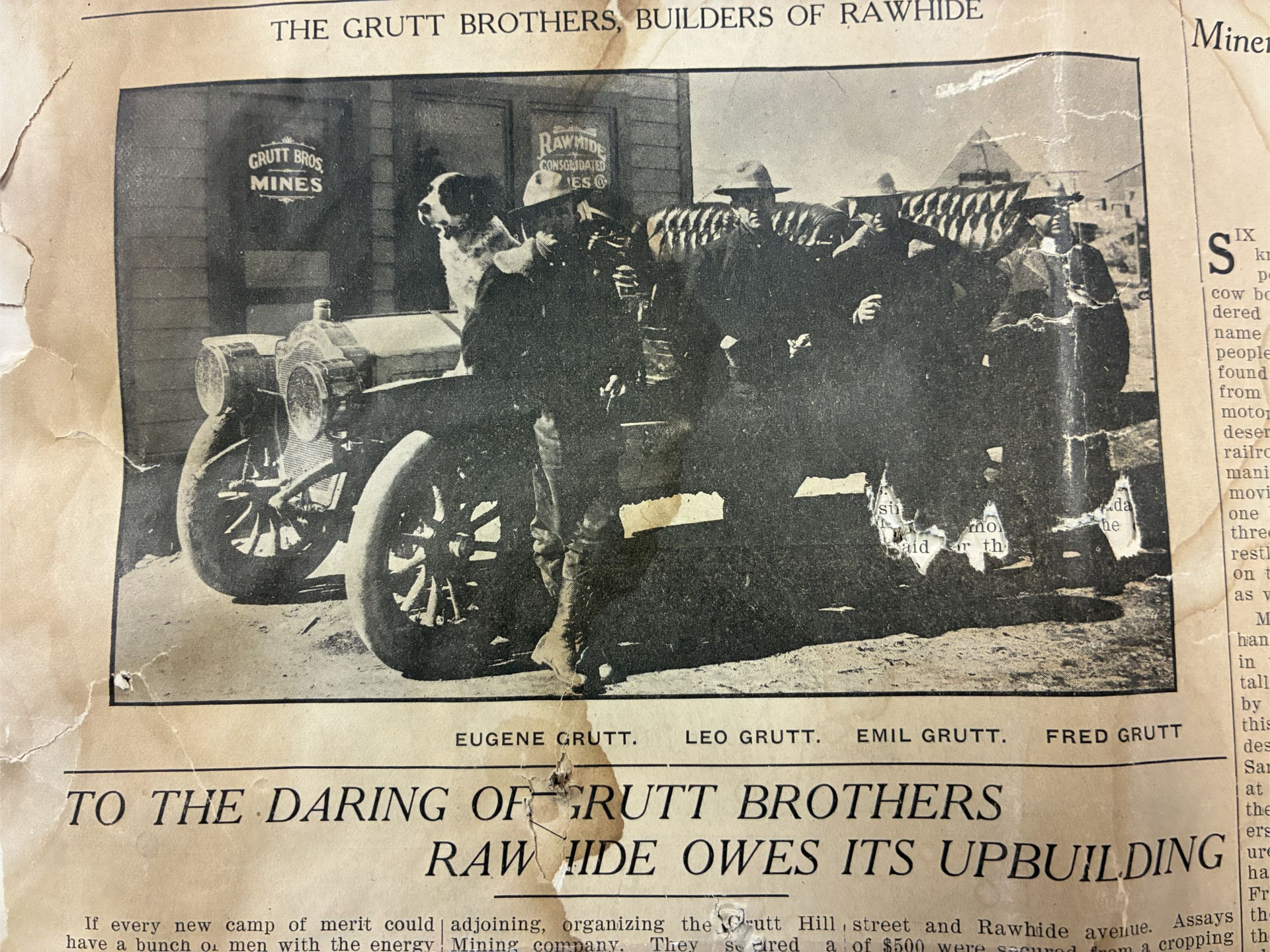
Within Mineral County, water security varied significantly by location and era: Modern Municipalities: Contemporary towns such as Hawthorne, Luning, Mina, and Schurz maintain stable populations by utilizing modern equipment to extract water from sustainable underground aquifers. Historical Settlements: Early camps faced severe logistical and financial constraints that ultimately threatened their survival: Rawhide: Despite initial public enthusiasm and significant capital expenditure on a central pipeline, the town was abandoned shortly after completion. Aurora: The settlement never developed a centralized municipal water system, relying instead on private wells and a limited number of public cisterns. Candelaria: In a stark historical irony, shortly after the town successfully secured a piped water supply to its commercial center, a severe flash flood devastated the community.